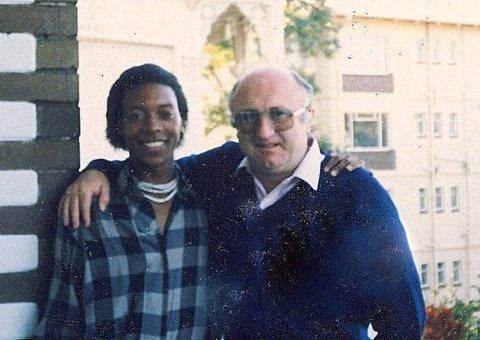
Tim Gray
A British coach who let me pick up balls at his Saturday clinics in exchange for free lessons. Those clinics started my chain of luck.
Tim Gray (right)I am working with Las Vegas filmmakers Ron and Michelle Ray of RR Film Production to adapt my autobiography, Zulu Dreams: From Apartheid to the Ivy League, into a feature film.
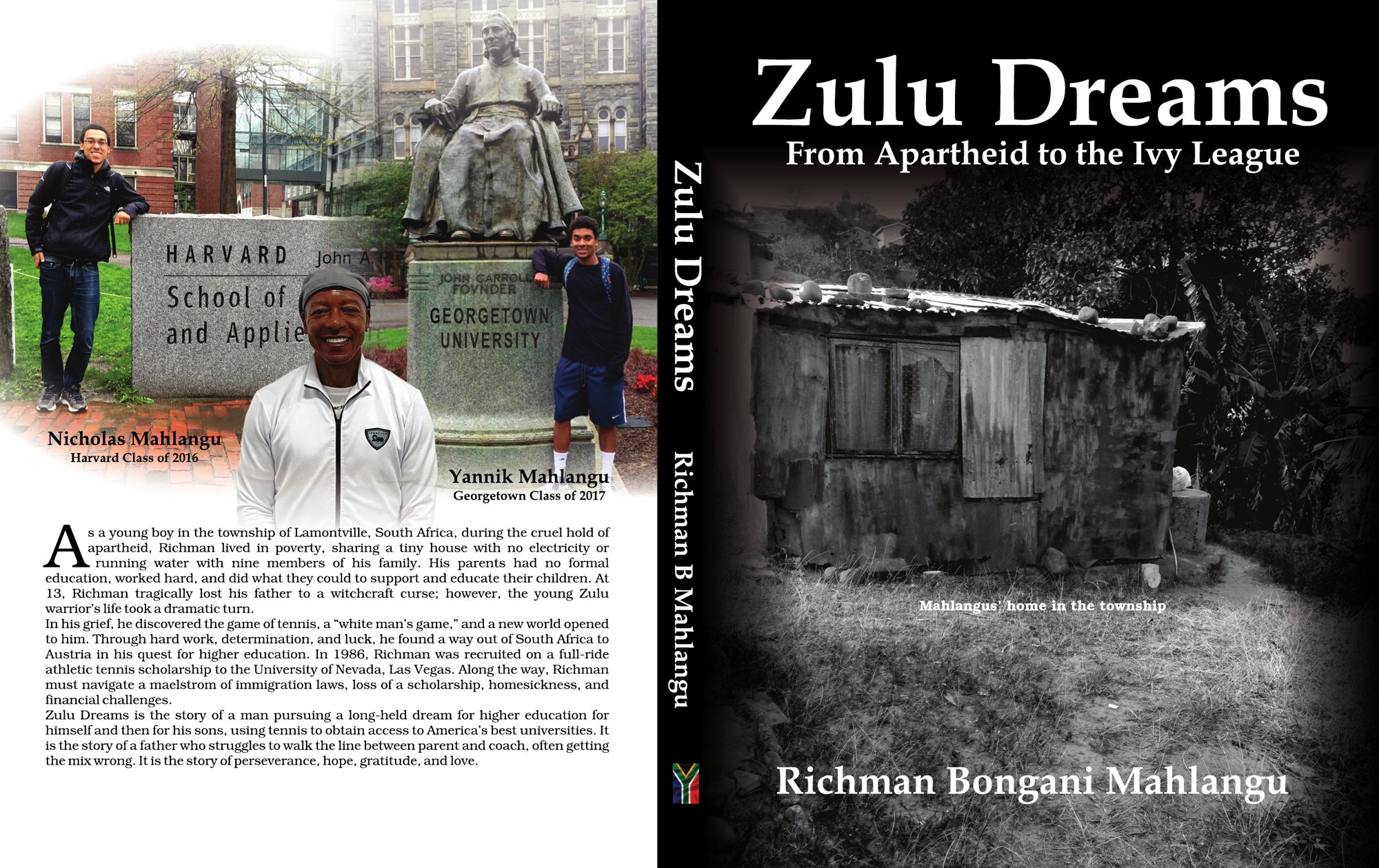
I was born in Durban, South Africa, and grew up in the township of Lamontville. My journey from apartheid-era South Africa to the United States was made possible largely through tennis and the opportunities it opened for me.
In 1978, as a young boy in the township, I spent my afternoons hitting a tennis ball against a wall. I was barefoot, playing with a racket with broken strings. One afternoon, a British man named Tim Gray stopped to talk with me. Tim was a British professional tennis coach living in South Africa at the time. He offered me an opportunity that would change the course of my life: I could become his ball boy while he ran Saturday morning tennis clinics for white children in the city, and in exchange, he would give me a half-hour private tennis lesson.
That opportunity marked the start of my tennis career. Eventually, I became the number one junior player in South Africa across every age group I competed in—boys 14-and-under, 16-and-under, and 18-and-under—while competing under the non-white tennis association, TASA. I lost only one match throughout my junior tournament career.
In 1986, tennis brought me to the United States when I received a full athletic scholarship to the University of Nevada, Las Vegas (UNLV). I earned my bachelor’s degree and later my master’s in Educational Psychology. In 1992–1993, I traveled on the ATP Tour as the hitting partner of Horst Skoff, the Austrian former Davis Cup player.
Tennis continued to shape my family’s story. I coached both of my sons, Nicholas and Yannik, and their success in tennis led to their recruitment by Harvard and Georgetown Universities.
Read about the bookOne of the most important chapters in my story features Joan Kilburn and Jim Lang, who managed the Bourbon Street Hotel Casino and the Royal Hotel Casino in Las Vegas in the 1980s. I met them through their son, Patrick Kirkbride, who was my tennis teammate at UNLV. That introduction started a chain reaction of luck in my life.
When Joan and Jim learned about my financial situation, they invited me to live rent-free in their home. Their generosity gave me the stability I needed to complete my undergraduate and master’s degrees. They later sponsored my green card and ultimately helped me become a United States citizen.
Their extraordinary kindness is central to the story I hope to bring to the screen.
No one gets out of the township alone. These are some of the people who believed in me, opened doors and opened their homes. The film is my way of honoring them.
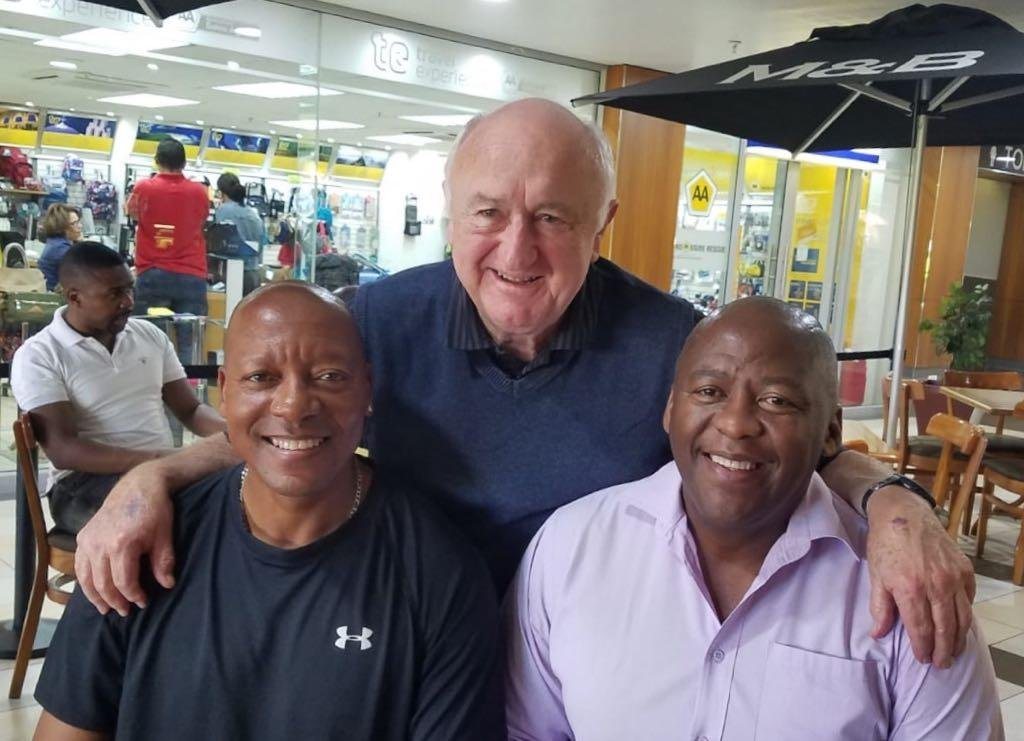
A British coach who let me pick up balls at his Saturday clinics in exchange for free lessons. Those clinics started my chain of luck.
Tim Gray (right)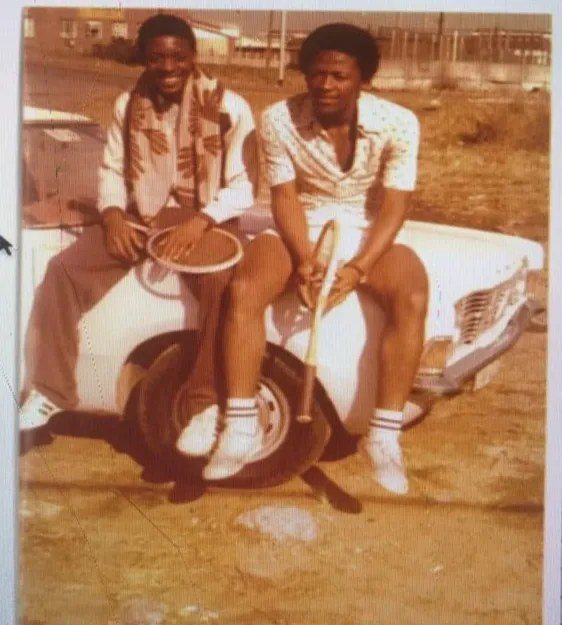
Benson and the men at the Wema tennis courts taught me the game, and after my father died they became like fathers to me.
Richman and Benson Ndlovu, 1984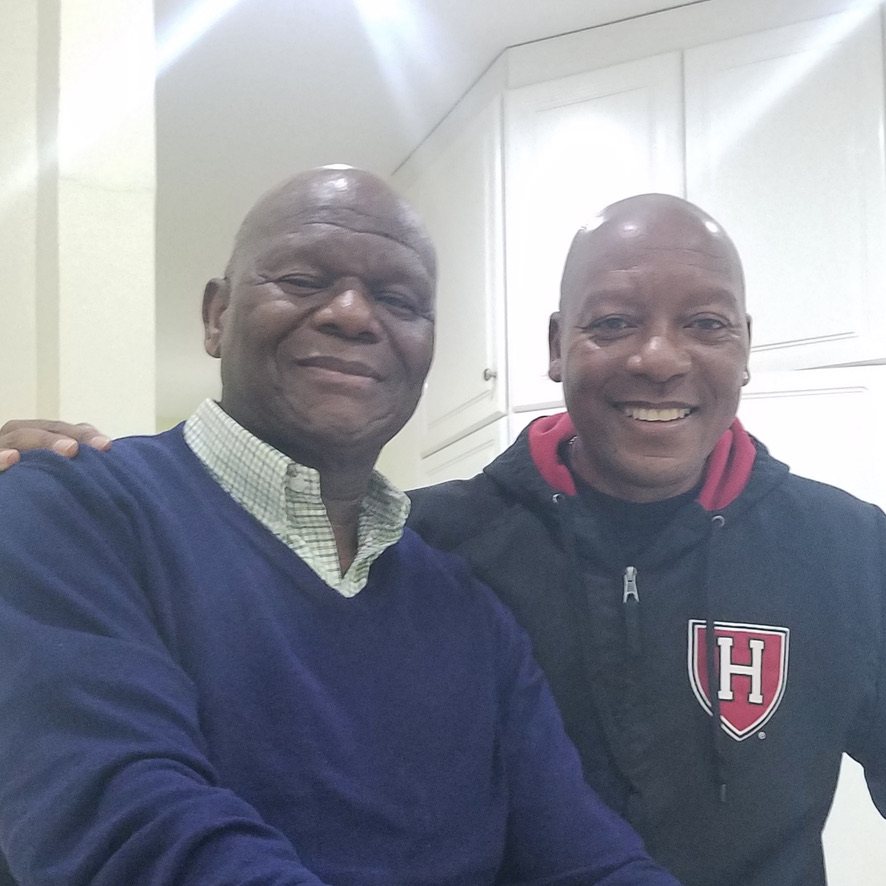
He believed in me and supported both my tennis and my schoolwork when I had little else.
Richman with Judge K. K. Mthiyane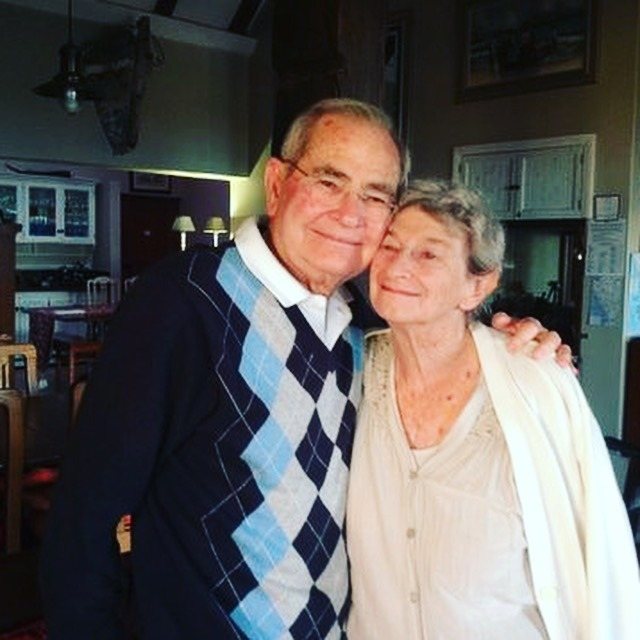
The late Mrs. Pat Lewis opened my first bank account with her own money and made monthly deposits into it for about three years. She also took me to the American Embassy in Durban, where we used the university directory to find colleges and apply for scholarships in America.
Leon Lewis and the late Patricia Lewis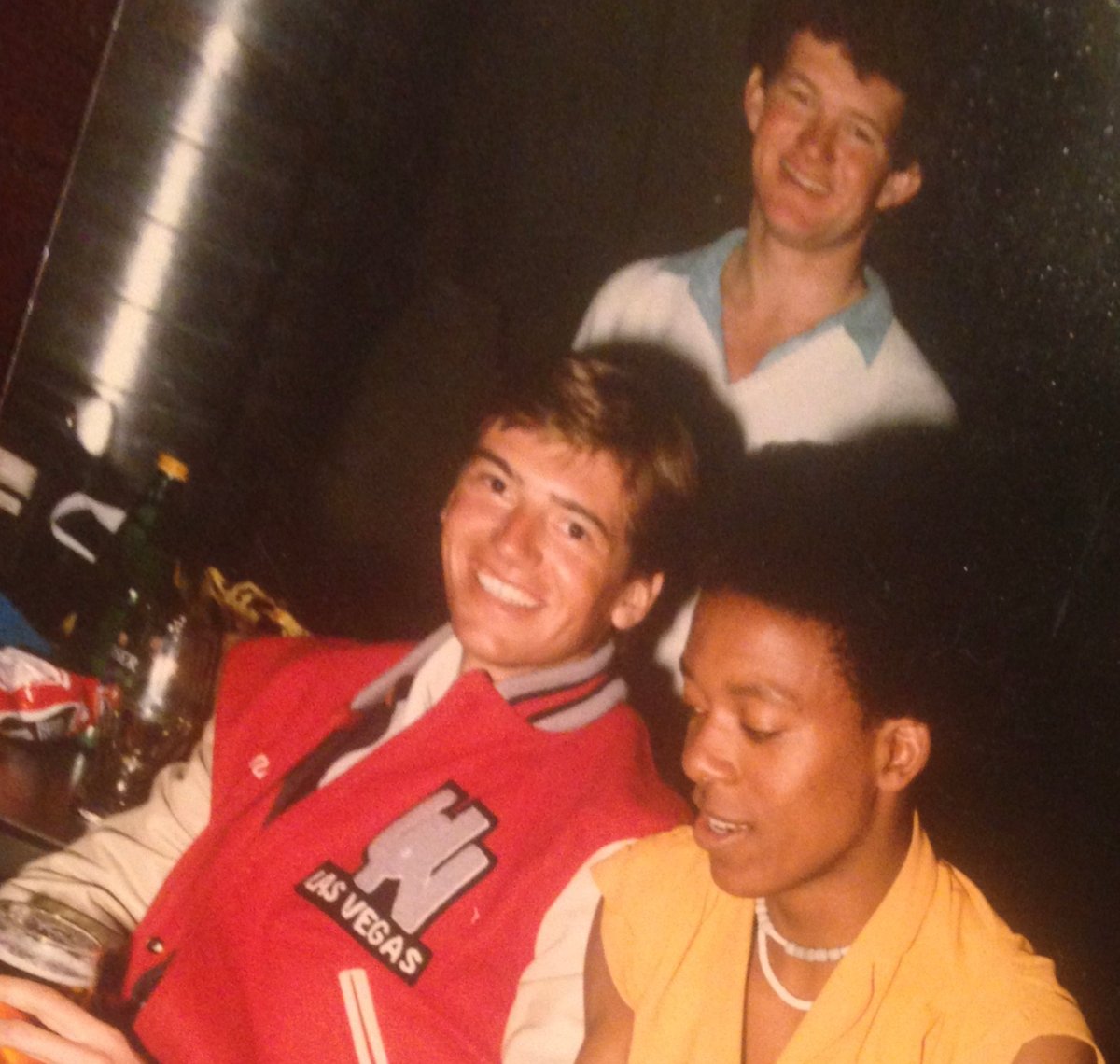
Norman came to our tennis camp in Austria looking for a hitting partner. After we played, he called Coach Craig Witcher at UNLV and recommended me for a scholarship.
Norman Mauz (red jacket) with Richman (front) and their friend Crombie Hatfield (back)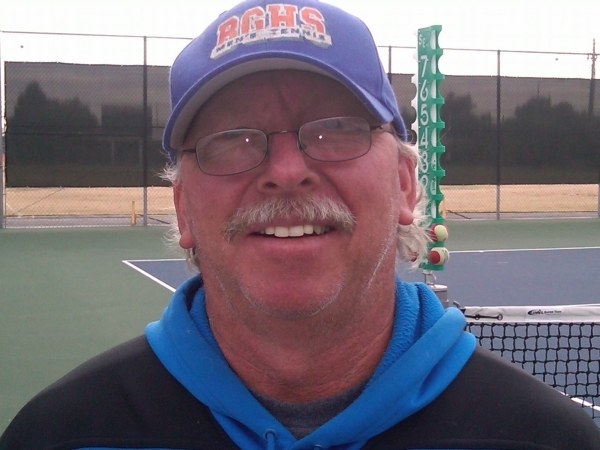
The men's and women's head tennis coach at UNLV. On Norman's recommendation, he gave me the full scholarship that brought me to Las Vegas in 1986.
Coach Craig Witcher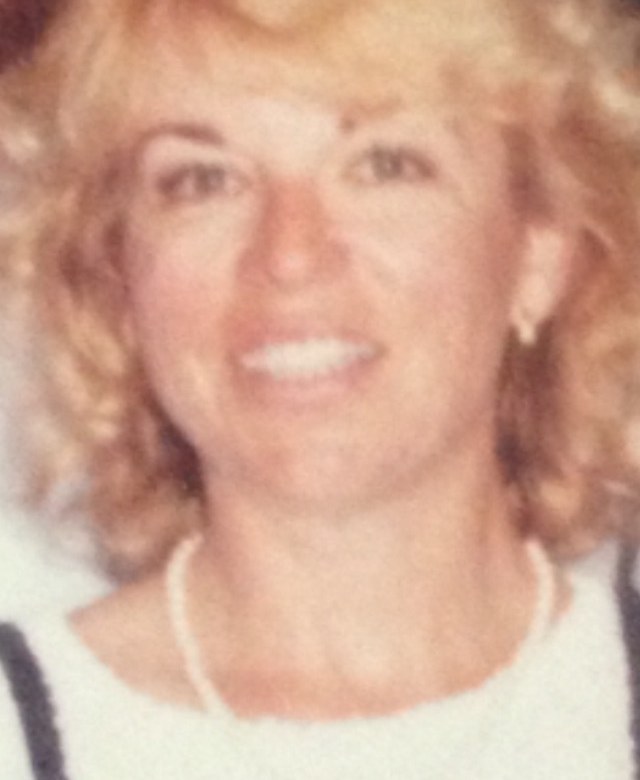
She let me live in her home rent-free and lent me her car so I could get to my classes at UNLV.
The late Joan Kilburn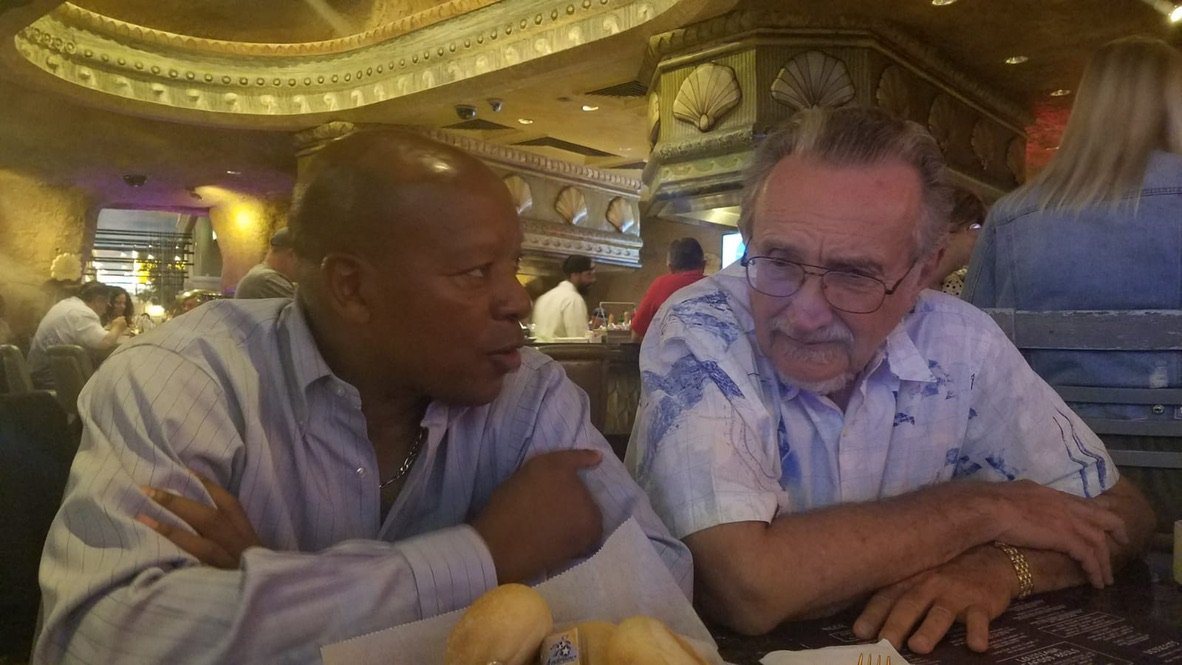
With Joan, he opened his home to me, sponsored my green card and helped me become a United States citizen.
Richman with Jim LangI am also grateful to Ray Schwegman, who hired me to coach at his tennis camp in Austria.
An autobiographical feature film adapted from Zulu Dreams: From Apartheid to the Ivy League.
Ron and Michelle Ray of RR Film Production, Las Vegas. Their most recent film, Trees of Peace, was released worldwide on Netflix.
Raising support for pre-production, so the project can be prepared for financing and production.
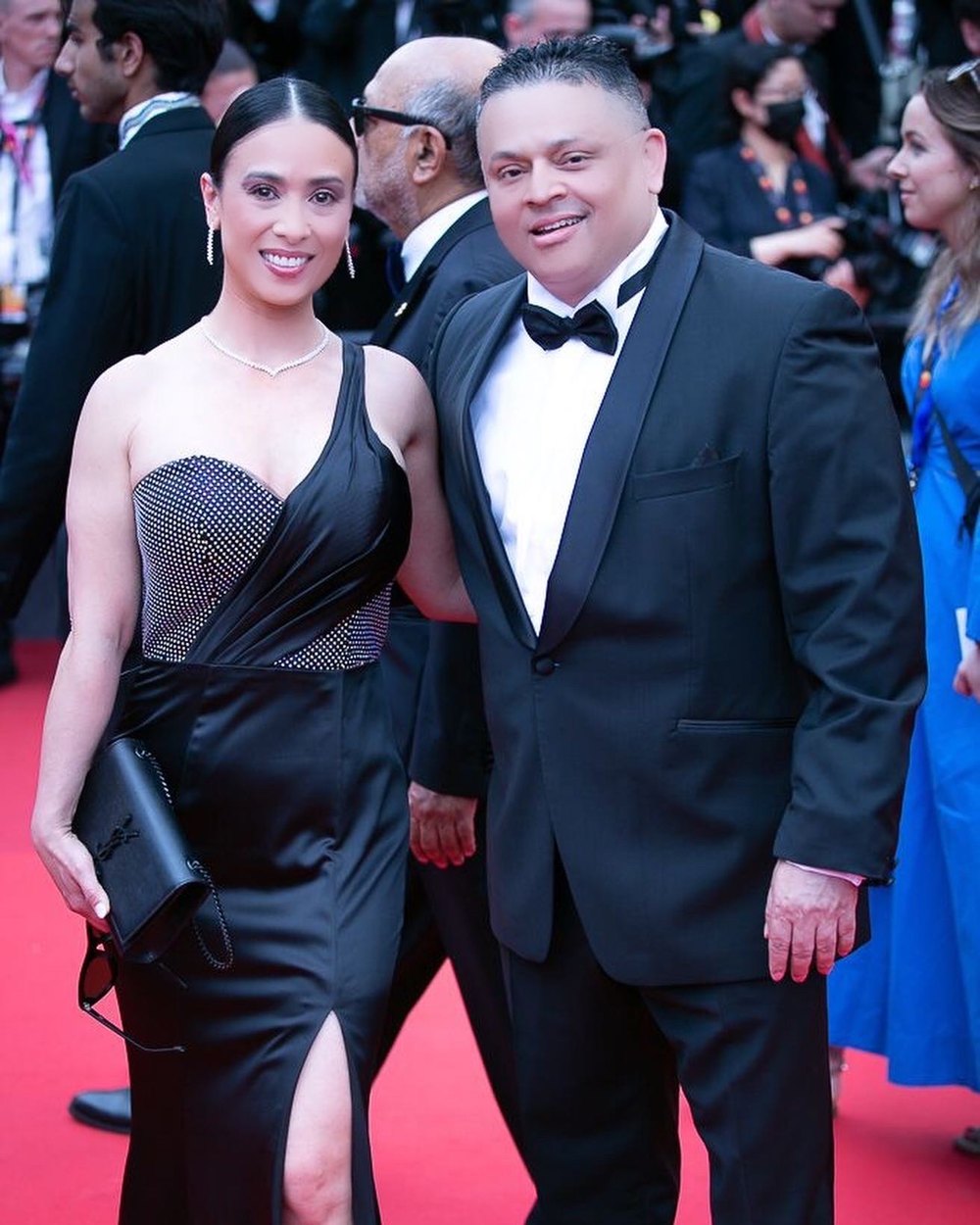
Ron and Michelle Ray of RR Film Production in Las Vegas are working with me to bring Zulu Dreams to the screen. Their film Trees of Peace was released worldwide on Netflix.
With their experience and my story, we hope to make a film that inspires young people everywhere to pursue education and imagine a future beyond their circumstances.
We are seeking support for the film’s pre-production phase. This stage will include:
Once the screenplay and complete project package are developed, Ron and Michelle plan to approach film companies and other potential financing partners to secure production financing.
We would be honored to share the vision with you, explain the project in more detail, and discuss how you might get involved.
Request a conversation ✉ Email zuludreams60@gmail.com 📄 Read the investor letter (PDF)At its heart, Zulu Dreams is more than my personal story. It is a story about possibility—the possibility created by education, mentorship, perseverance, generosity, and opportunity. I believe this film will inspire people, particularly those from marginalized and low-income communities, to pursue education, set ambitious goals, and imagine a future beyond the circumstances of their birth.
My journey began in a South African township. It ultimately led me to the United States, advanced education, a career in education, and the privilege of watching my children pursue their dreams at Harvard and Georgetown.
I hope this story reminds audiences that where we begin need not determine where we end.
To learn more about my story, read About Richman.
I’d like to arrange a conversation with you, Ron, and Michelle to discuss the project and its vision.